Showing posts with label ficus. Show all posts

Sunday, April 14, 2019

bad branch location on a bonsai-Ficus

What do you do when you have a massive trunk but the branches are not in the
right place?  If you are talking about a Ficus then make it bald. That's right cut off
all the branches. Do not leave anything.


This sounds like harsh treatment, but desperate times call for desperate measures. One
day I was out collecting Ficus from where I work which happens to have a lot of pine
trees. In those pine trees, little birds deposit ficus seeds and they grow. They can get
pretty big if the landscape people do not get to them. So, one day I found a really big
tree that was as thick as my forearm, I'm not a small guy. The problem was that all the
branches were growing from one side. The side that was facing the tree had no branches. The ramification looked very bad. But the trunk was thick and one
of the hardest things to do because it takes a lot of patience is to thicken a trunk.

I tried growing it out for a while. But had no success because all the smaller branches started growing from all the bad branches. It only had bad branches, to begin with. I didn't want to throw this tree away I had collected it made it into a cutting and it was growing. It would be a
waste to throw this tree away, so I chopped off all the branches.

I had noticed when I cut the branches from another Ficus that they would sprout out
new smaller branches all over. I also noticed that if I left a longer nub of a bad branch
there would be new growth there. That would be bad as those branches would also grow
in a bad spot. So, how could I make branches grow in good spots? The only way was by
removing every branch and not leaving long nubs.

At first, I saw no new growth, and yes I was scared that I might have killed the tree.
That's always in the back of your mind. But one day I saw little buds coming out from the
tippy top of the tree which is great because I don't want branches growing just anywhere
on the tree. They all started to grow where I wanted them to.


Not only were they growing where I wanted them to, but they were growing in large
quantities. So many that I had to cut some of them off because I knew that the tree really didn't need that many branches.

Chinese banyan

I left just enough branches so that they were in a good position, and they would have
room to grow. I wired the lower branches just to give him some shape these are going
to be my longer branches. I'm not going to prune these for a long time. In fact, I'm not going
to prune any branches until some of them get to be as thick as a pencil. The reason
I will not prune them now is that that will slow down the growth.


.As you can see growth is fantastic. I want those branches to grow, grow, grow.

Sunday, April 7, 2019

Aerial roots when you live in a desert.


What are some features that you like on bonsai trees? I love aerial roots on ficus trees. They start out thin, but when they bury themselves in the soil they get fat quick. They add lots of character to the tree.


aerial roots ficus microcarpa bonsai


Aerial roots ficus microcarpa bonsai


To be frank, growing aerial roots was a mystery to me. Sometimes I would see them grow on some of my Ficusses. Then one day after a heat wave killed some of my trees I decided to install a “drip irrigation” system. They actually make sprinklers in 180 degrees, 90, and 45-degree heads. I installed what you might call an overkill of sprinkler heads. I did not want to lose any tree to thirst.

I turned the sprinklers daily. Instead of mostly the soil getting wet the sprinklers would wet everything. I am talking about the leaves, trunks, and all. Also the brick wall, the wood stands, and the ground soil. I was changing the microclimate. Where I keep my trees I have little to no wind. It’s like a little alcove.

After about 4 weeks I noticed that some of my ficusses had a bunch of aerial roots coming from the trunk.

That is how I stumbled upon aerial roots.

I believe that consistently wetting the whole tree helped create aerial roots more than just the higher humidity.

aerial roots, root over rock

I had seen pictures of Scandinavian ficus bonsai. They are kept in grow bags. That is a plastic square bags with artificial humidity and light. The winters are harsh up there. Also, daylight in winter is very short. They keep these “exotic” trees in these bags to protect them. Because the humidity is high and the temperature in the bag is relatively high the ficus produce aerial roots. The roots were few though.

In fact, when I saw that I was going to make a mini greenhouse out of wood and clear plastic to try and replicate it.  


I live in Los Angeles, CA. We have had some very warm summers and wet winters (wet for LA, don't laugh at us Seattle) the last few years. The rain was not enough and when it did rain the temperature was too low to do much ariel root growing.

The summers were hot enough but because LA is at the edge of a desert it was never humid enough.


Aerial roots widened the trunk


I want to emphasize that the roots were not growing from the branches. Not every Ficus produced aerial roots and not every tree that made aerial roots produced the same amount.  Even among the same species namely ficus microcarpa, there were differences.

aerial roots ficus macrophylla bonsai

I never use straws to grow the aerial roots. They will not "dry out" if they get wet every day. 


What Ficusses produce aerial roots?:
  • Chinese Banya-F. microcarpa
  • Moreton Bay Fig-F. macrophylla
  • Port Jackson Fig-F. rubiginosa
  • Peepale Fig-F. religiosa
  • Burtt Davyi
  • Weeping fig-F.Benjamina


What can help make aerial roots?:

  • Warm temperature 80f or higher
  • High humidity
    • Spraying the trunk daily
  • Right species of Ficus
    • Even within the same species, it varies

You might have noticed that most of the aerial roots like to grow on the underside of lateral parts of the tree. The underside.


Cheers

Friday, February 9, 2018

Growing ficus religiosa and benghalensis from seed in cooler climates

I have had much success with growing ficus macrophylla from seed. The weather here in Los Angeles is warm enough to germinate the seeds. The seeds grow even better during one of our many heat waves during the summer (here is the link http://bonsai-misadventures.blogspot.com/2016/03/grow-fig-tree-from-seed-moreton-bay.html).


Los Angeles is many things both good and bad, but it is not hot enough to germinate Ficus religiosa the bodhi tree and Ficus benghalensis the Indian banyan. I have had success  growing each on two different attempts. The first, I put some dirt in a thin plastic ferrero rocher box. It was very shallow and I left it on the window sill when I lived in Pomona. Pomona is 50 miles from the ocean and is much hotter than where I grew up and now currently live, Inglewood. During a very hot heatwave near 100f I noticed that all the f benghalensis seeds had sprouted. It looked like a carpet of microgreens. I was happy and if I had known then that I was not going to germinate that ficus again I would have taken better care of them. I lost them all.

Last year I tried my hand a Ficus religiosa. I used a heat lamp to grow those. It did work. It was not a carpet like the indian banyan, but I took what I can get. My mistake was removing them from the heat too quickly. I lost them all.

So here we are. It's 2018 and I have goals and aspirations. I want to raise a forest of banyans and bodhis.

First things first: SOIL. Oh yes start the controversy.

I am going to grow these seeds in a plastic shoe box. There will be zero drainage.


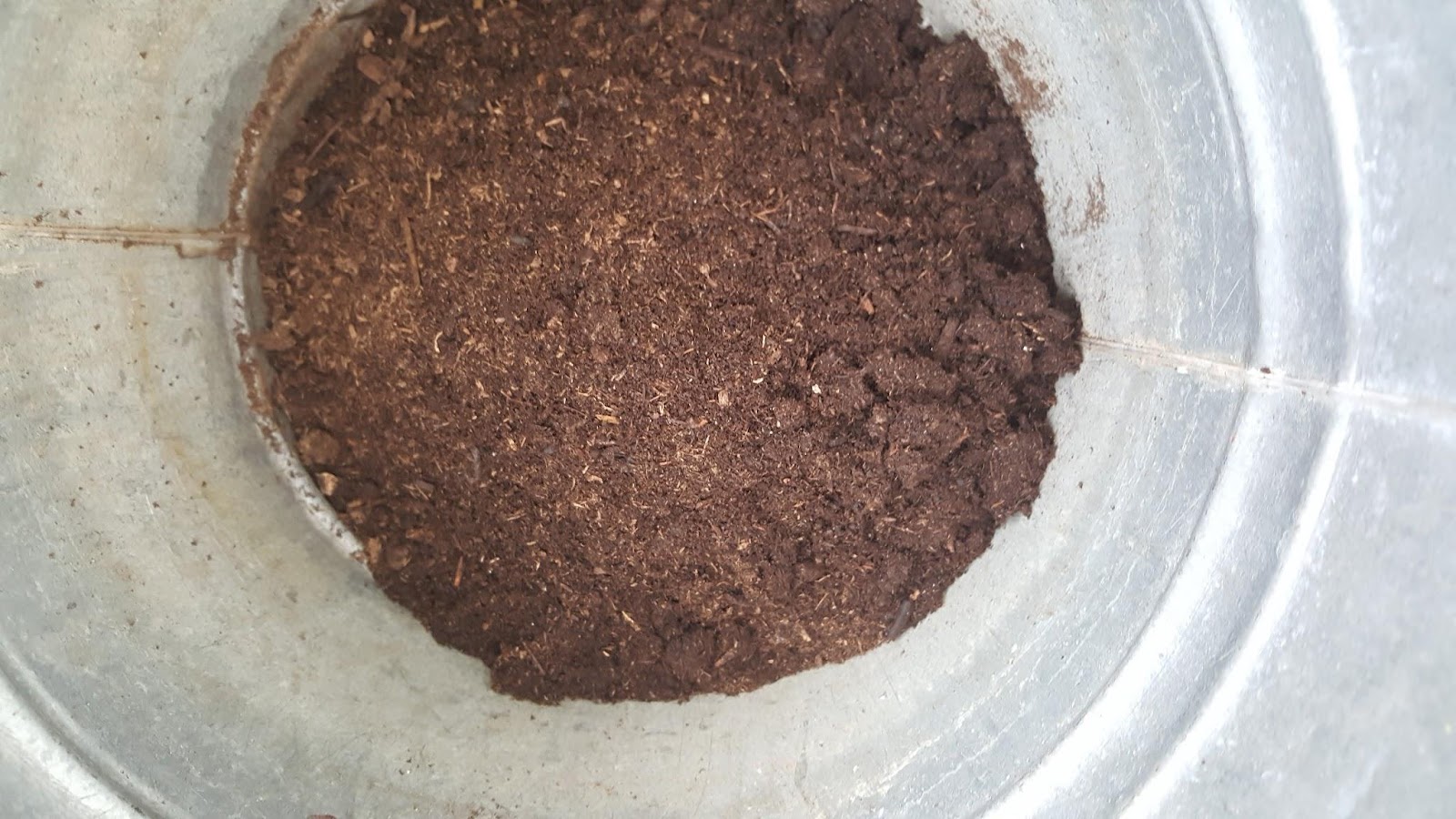
I started with good ole peat.


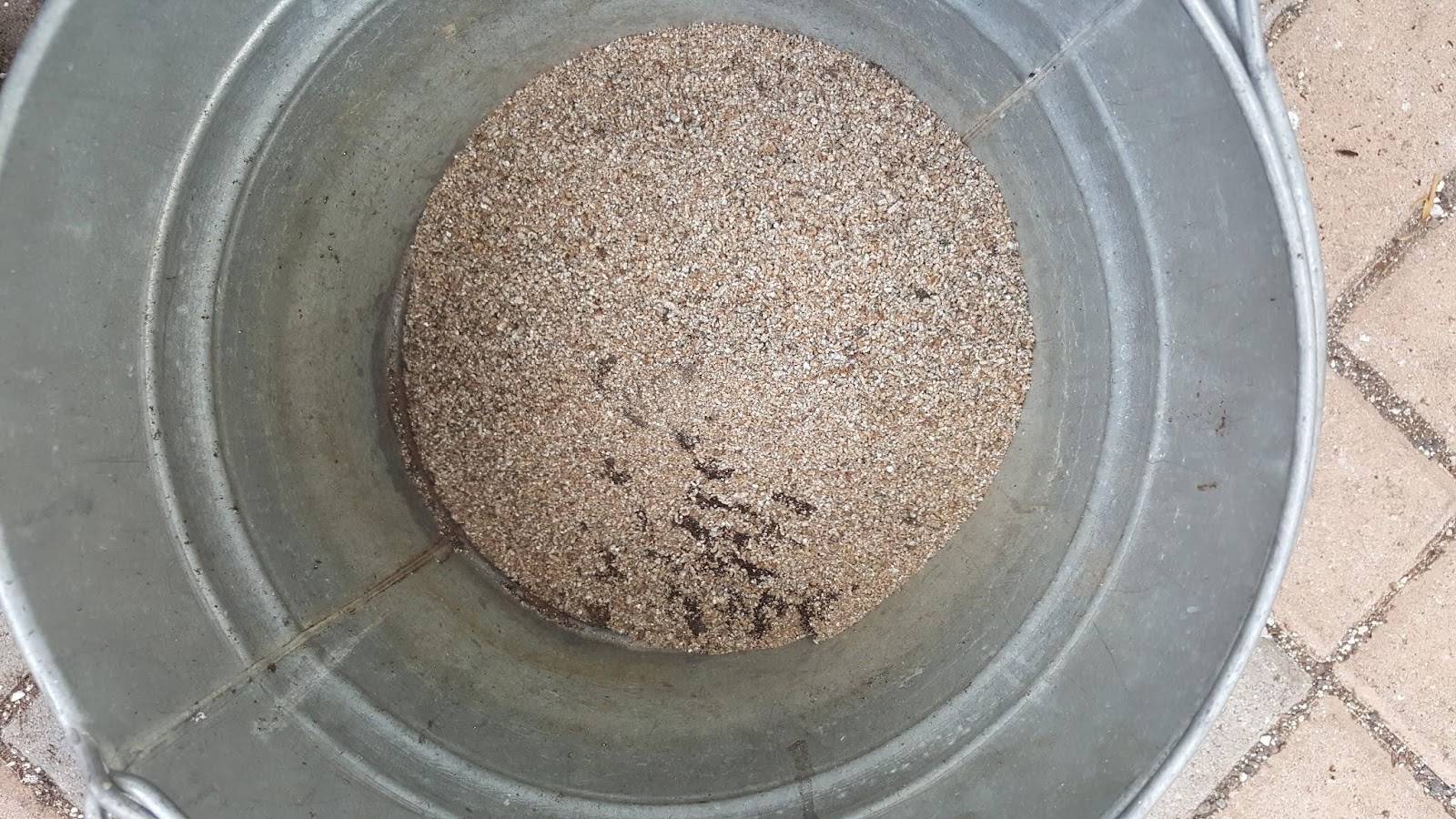
I added vermiculite for texture.


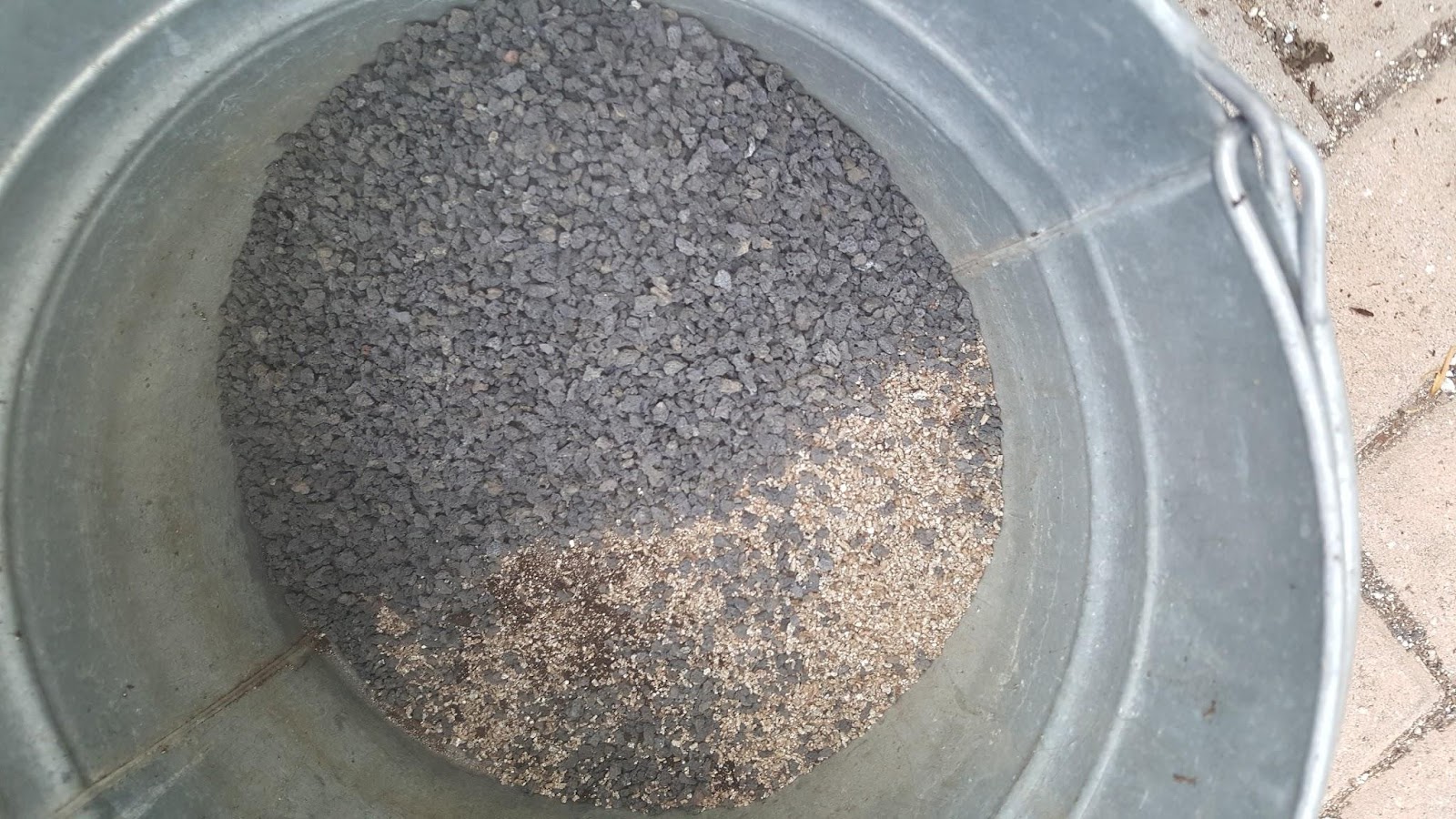
Then I added fine volcanic cinder for more texture.

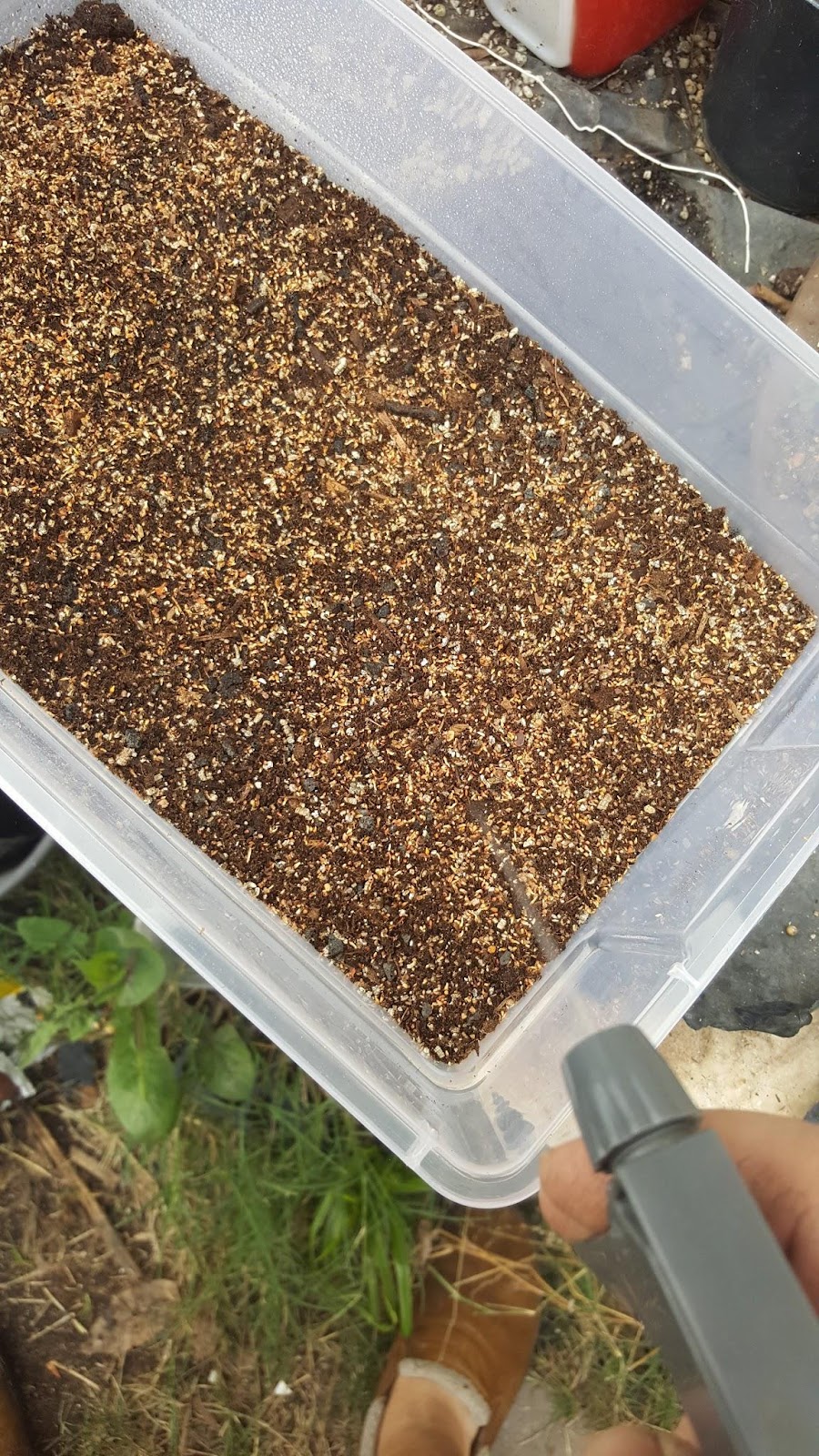
I mixed it all very well. Then I got my shoe box. I chose this to keep humidity high, but I will have to monitor moisture levels. Because there is no drainage I will have to mist.


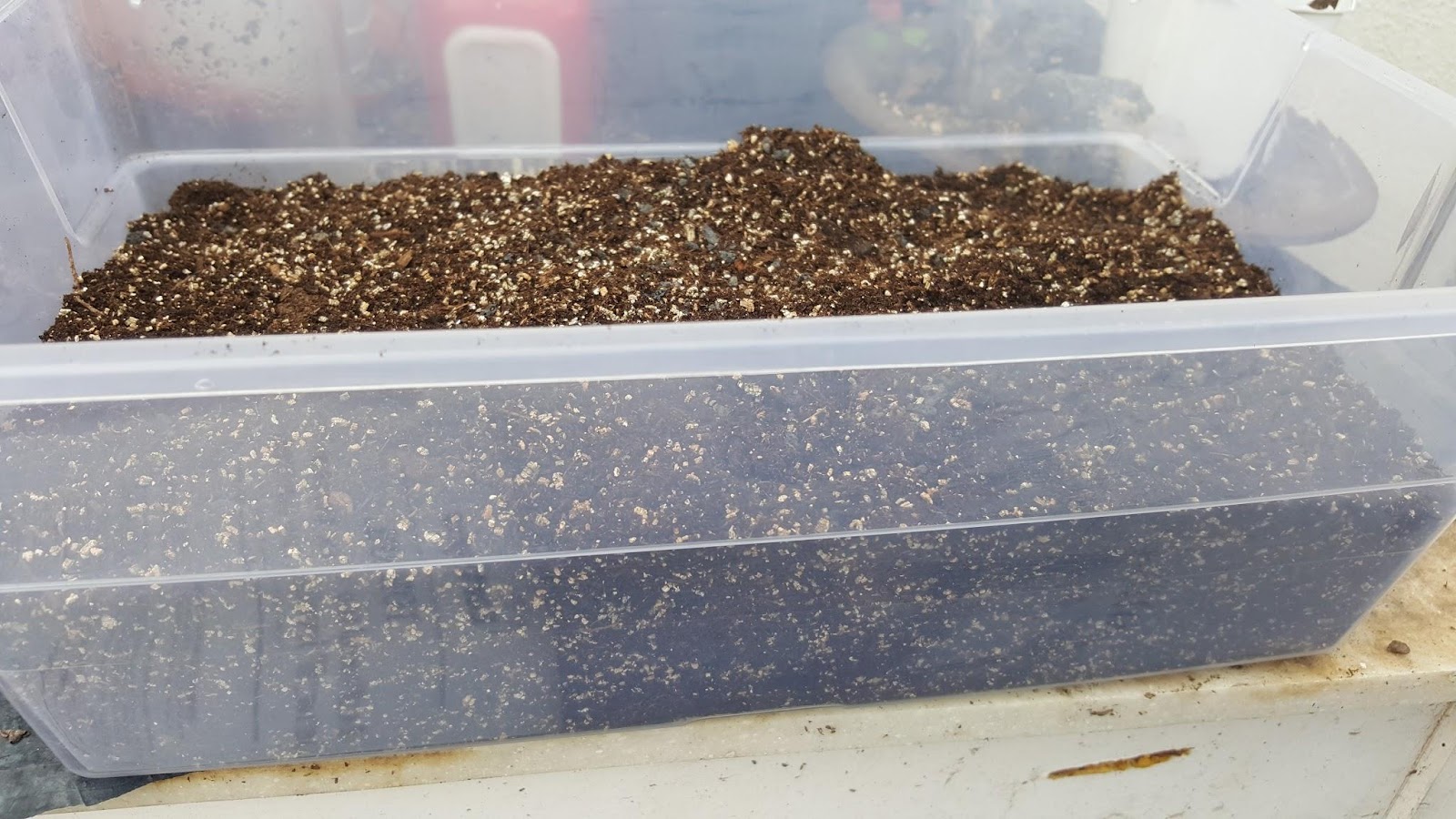
Here is the box with the soil in it.


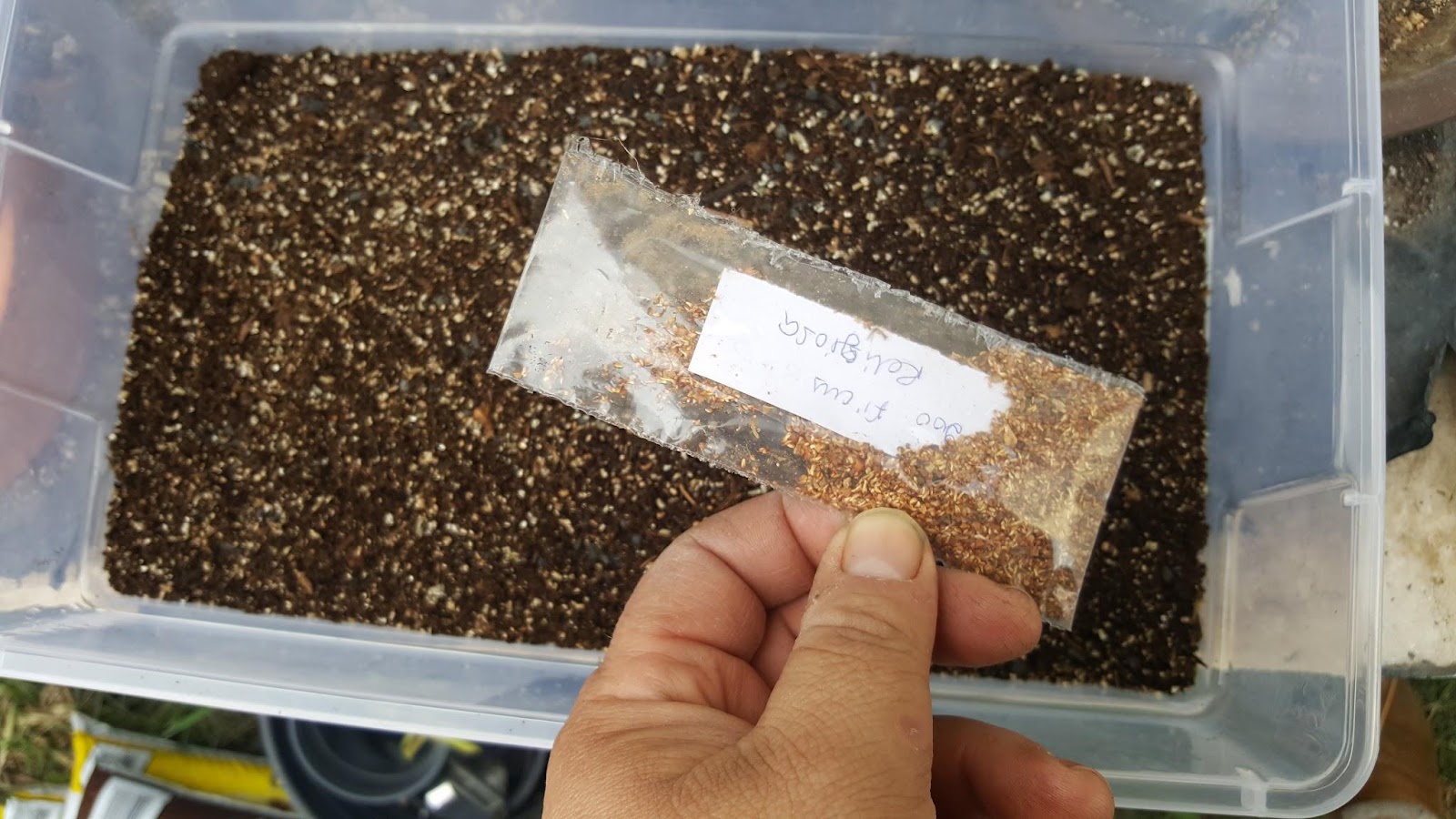
These are the seeds.


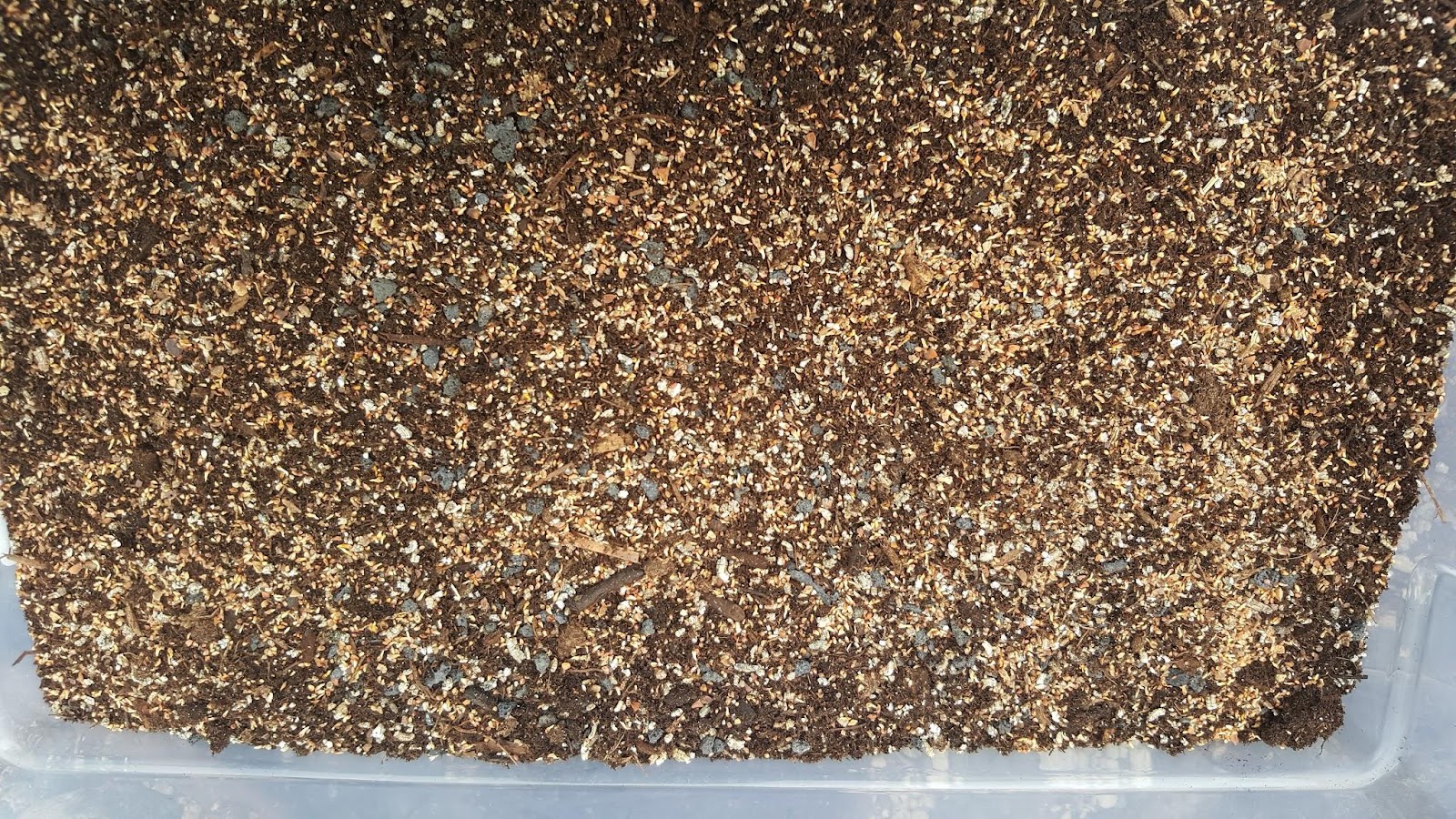
Here are the seeds on top of the soil.


And here is the first misting.


Los Angeles is to cold for germinating tropical ficus seeds. so I got this:


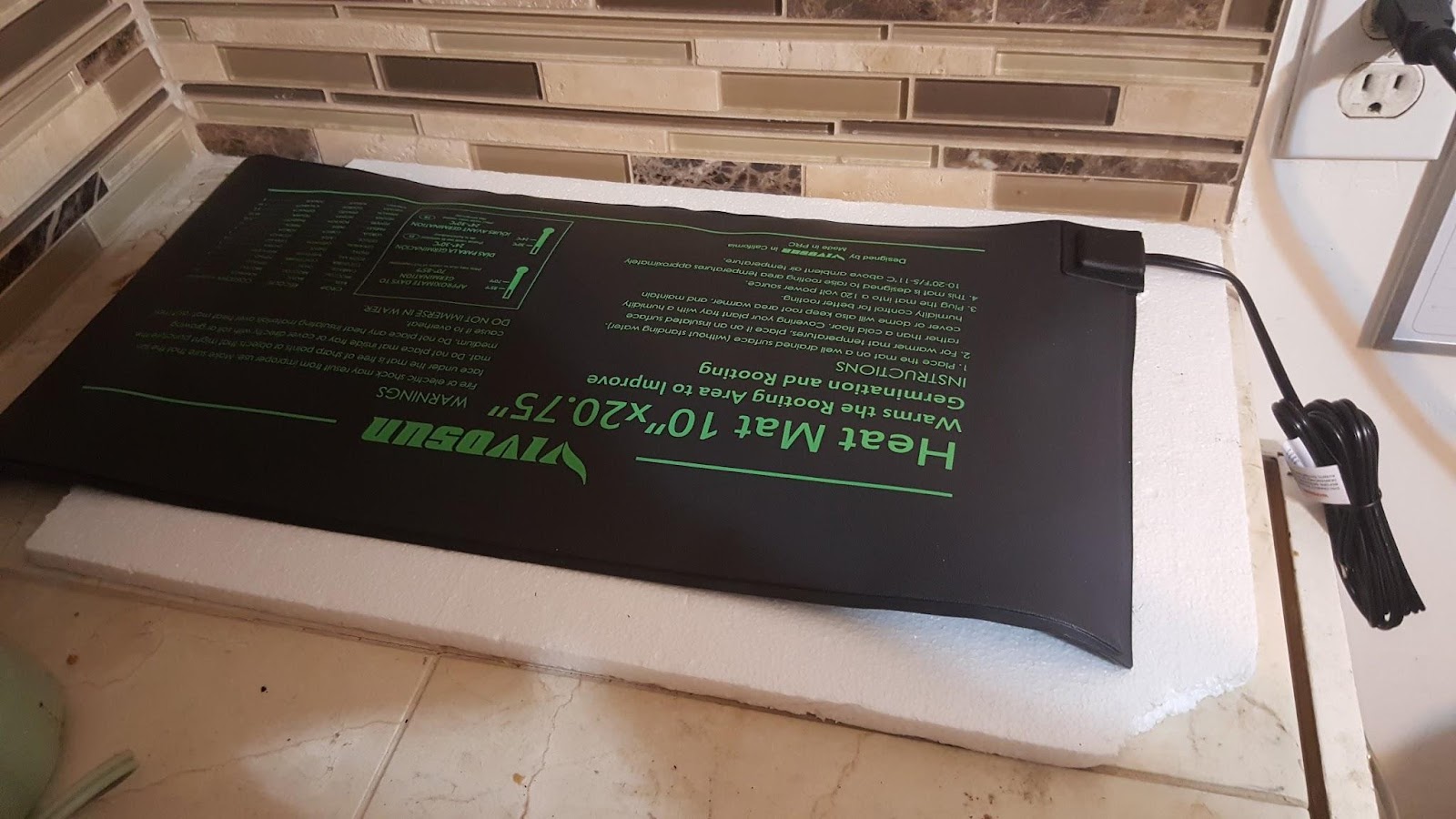
I bought this heat pad to boost the temp. It was setup in a corner of the kitchen. A Styrofoam sheet was placed underneath to conserve heat.


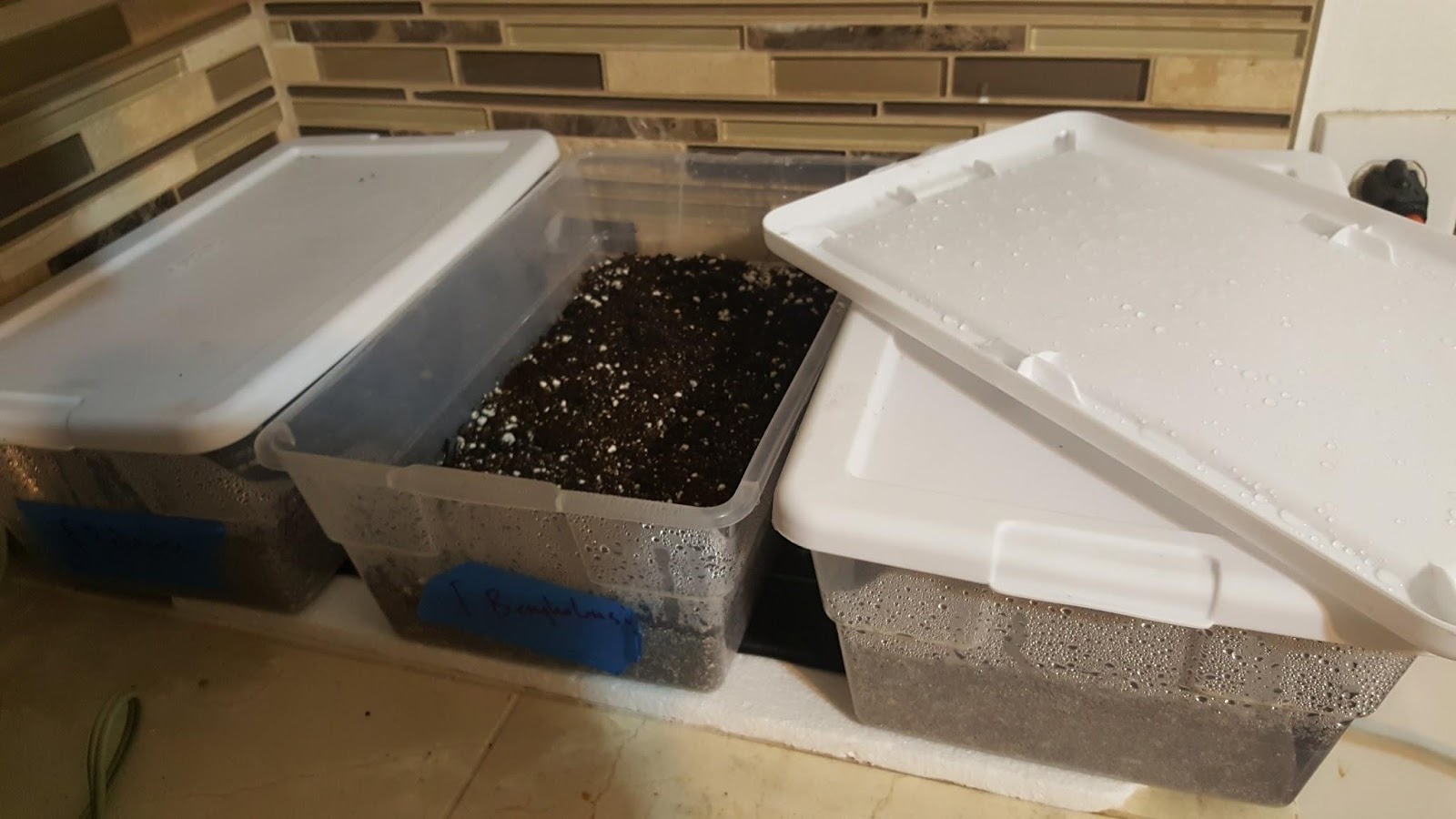
I pushed it and forced three shoe boxes on the heating pad.


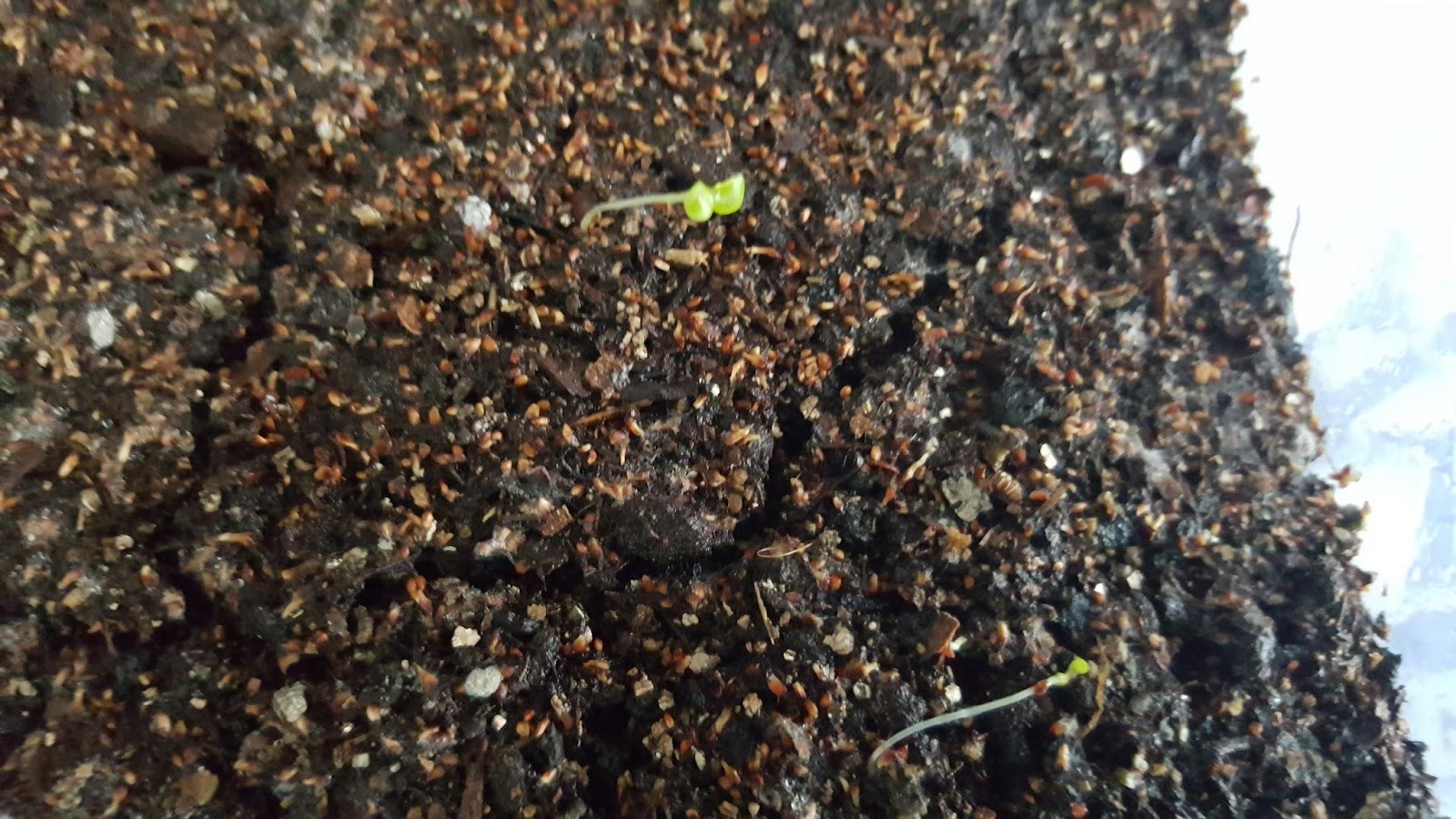
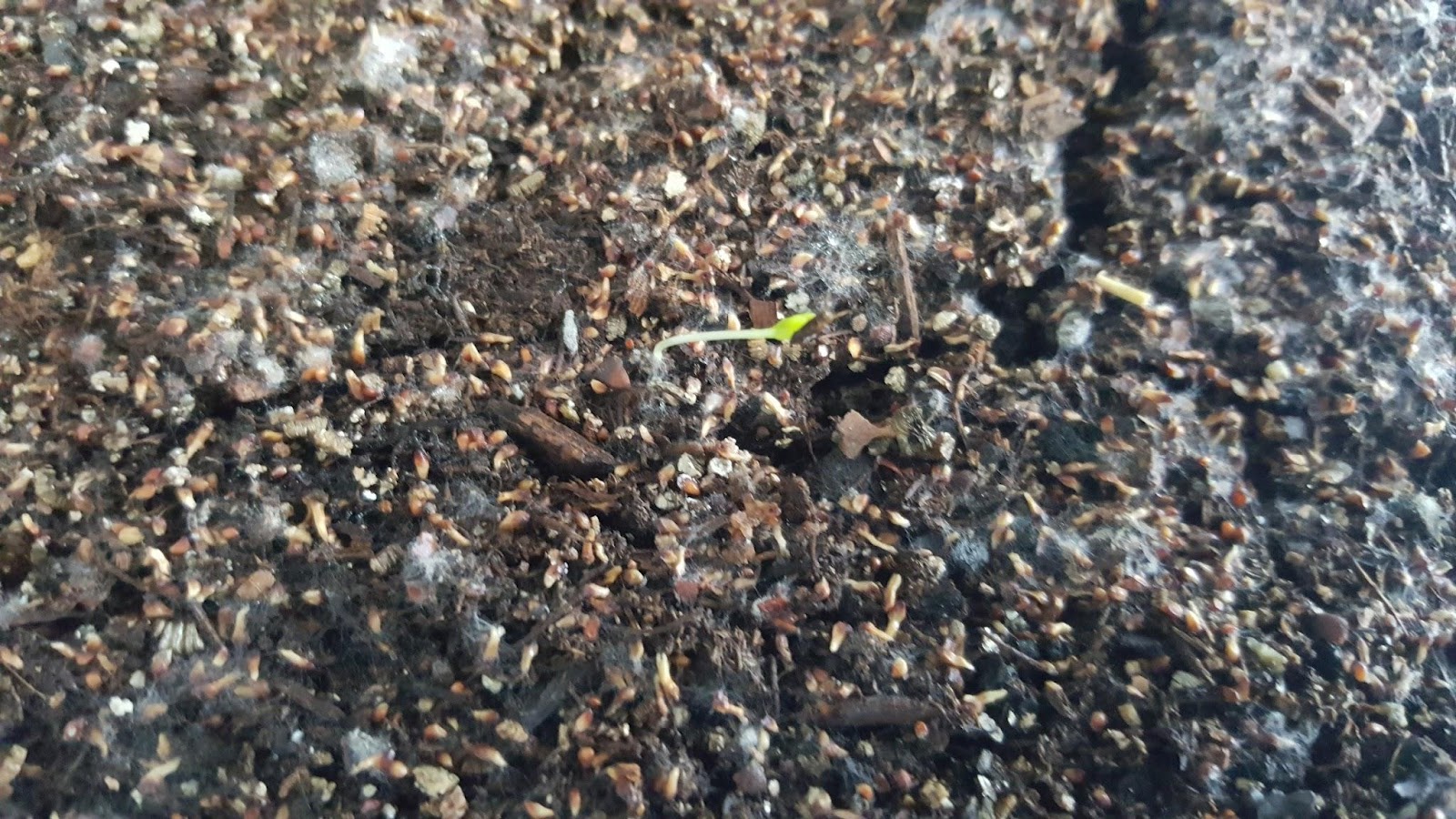
Three days after the setup was completed I was pondering on whether the seeds needed UV to germinate. I went to check the boxes and discovered a lone plant growing. I thought that it might be a weed, though the leaves did look like a ficus (looked like most dicotyleodn sprouts).

peepel bodhi seedling


Then I noticed it wasn't alone, and that there was a very small one that was just the size of ficus seeds. I was satisfied.

peepel bodhi seedling

I have been obsessing about Indian Banyan since I started my bonasi journey. I am satisfied with my experiment up to this point. Cheers.

Friday, August 18, 2017

Why I hard prune my ficus and azalea, it hurts me more than it does you

chinese banyan bonsai

We are in full summer now. I have noticed that some of my plants are pushing a flush of new growth. Among the plants pushing the hardest are Guamuchil (Pithecellobium dulce), Coastal Live Oaks, and Chinese banyan.


Regarding branches and leaves when we make bonsai most of us desire that we develop good ramification and in turn, we get leaf reduction. The challenge here is that try as hard as we may, we can only guess as to where the tree will push new buds.


I have noticed that on my Chinese banyan a new branch will grow from the lateral bud closest to the place I pruned. In a lot of trees in front of where a leaf grows, there is a place where a bud can grow. When that bud grows it is called a lateral bud. Sometimes on a Chinese banyan, only the lateral bud closest to the cut will grow. When this happens everything is for not. Why? because what the tree is doing is creating a continuation of the branch. It is replacing the section it lost. What we need is for the branch to split into two smaller branches. This splitting is what creates ramification. What happens is that the mass of the one branch is split into two. The new branches are smaller. The more you continue to do this the finer the ramification. If you replace one branch for one branch then no ramification has happened. You are actually a little behind because you have lost a lateral bud.

lateral bud growing near cut
Only one branch grew. No ramification here.

What are we to do? For ficus and azaleas at least the answer is simple. Hard prune. A hard prune is when you cut-off large portions of many branches.
pre bonsai bonsai
Hard pruned Azalea

Have you ever pruned a tree and got it to the size and silhouette that you wanted? Then the secondary branches grew close to the edge of the cut. Your tree outgrew the silhouette without contributing ramification. You are going to have to get rid of those branches because they make the tree silhouette bigger than what you wanted.  This is where a hard prune comes in handy.


Have you ever looked at your tree and wished that it would back bud from further down the branch closer to the trunk? For ficus and Azalea, a hard prune might be the ticket.


back budding after a hard prune

Some drawbacks to this are that you do not know exactly where the tree will bud. I can live with that. The other is that you might lose a branch, or one of the branches might not bud. That's a harder pill.


This is a good way to fix those leggy ficusses and azaleas. This is a good example of what we want. Where a cut was made there are now three branches. Choose the two branches that are most parallel to the ground.


Let those branches get leggy than prune them close to the trunk. That's how you'll get the desired ramification on azaleas and ficus. Cheers.

Friday, February 24, 2017

Grafting a ficus microcarpa, or whittling away at a tree

I wanted to try my hand at grafting a branch unto a tree. I thought that I could try grafting a ficus microcarpa. Ficus microcarpa are resilient plants. Even if I did something wrong the damage might be minimal. Boy, was I wrong.  

Here is the trunk that I was going to graft onto.


Her is the branch. It is actually a piece from further up the same tree.


Confession time: To graft you should have some knowledge, the right tools, and a little experience will not hurt. I had none of those. Here was the result.


I took a nice size chunk of tree off. That is going to leave a very big scar. I felt sick. Why o why do I do the things I do? Ok, this was a fail. The tree will recover. So I decided to do it again.


It looked a lot better, but because I don't know what I am doing I do not know if it will take.


I think for grafting I will need someone to teach me. Cheers.

Wednesday, August 31, 2016

What Ficus Microcarpa has taught me


I have been working with a lot of ficus microcarpa this year. I have learned a few things (and I realized I have many more things to learn).


I have posted many times before on how resilient ficus microcarpa is. Many times I thought I had killed a tree. All the leaves would drop. It would look so sad. I would set them aside to discard later where i would forget about them. Then I would find them some time later with little green buds pushing their way out of the bark. That's not to say that some have not died all the way (The Princess Bride, anybody?). I have bent trunks to amazing curves. I have potted trees in the smallest of pots, I have pruned all but a few short branches and these trees keep coming back. I have seen pictures of abandoned ficus bonsai which have broken free of the pot and have become full size trees.
Epiphytic Ficus Microcarpa


Something I have noticed about FM is that there is a big difference in pruning green branches versus pruning hardened or lignified branches. Knowing what happens can help in bonsai design. When you cut a green branch it will die back to the node just below the cut. You can cut a foot  from a node it will still die back to the first node under the cut. The benefit to this as I have seen is two part. First, as the branch continues to grow it will heal without a scar. Yes, that type of pruning heals fast and if you remove all the dead tissue it will heal smoothly.  Second, I notice that if you cut the bud while the leaf is still small the leaf will pretty much stay the same size. You can get amazingly small leaves like that.


Cutting bigger lignified branches is a different story. A lignified branch is a branch that has become woody. These branches can bud anywhere along the branch. That means that if you cut it short it will bud somewhere in the vicinity of where you wanted it to bud. You may also get multiple buds. That means more branches, more ramification, and more leaf reduction.

New branches started growing after I cut the original branch

There is some differing opinion on what I am going to say next. Please keep in mind that this is a post about ficus microcarpa. If you leave a branch uncut it will thicken faster than  if you prune and let the new branches grow. Here is an example: I let a new branch grow to cover a bald spot on a tree. I did not prune the branch until it got to a thickness close to the other branches. So far so good. Yet, at the same time I have branches that are six month older. These branches i clip because I am trying to develop fine ramification. If these two branches thickened at the same rate I would have incredibly thick branches with exaggerated taper, which is not the case. An uncut branch will thicken faster than branches that are pruned.

Thinner branches on top are older than the bottom branch that has been wired


A great thing about ficus microcarpa is that they are ready to grow aerial roots. All you need is moisture. Here is what I do. I add ground bark to the pot to the height I want aerial roots to grow. Then I water as usual. In as little as a week you will be able to see aerial root buds. Leave the bark (or sphagnum moss, or anything that will keep the trunk moist) on for as long as you want. I have a tree that grew aerial roots very low on the trunk. Now the tree has buttressing roots. I know in cold climates where you keep ficus indoor in special light and humidity grow containers have a high number of aerial roots because the humidity is so high. I have not grown aerial roots from branches yet. I am devising a plan as i write. I will put moss on said branch and will wrap it with mesh. The mesh will help me regulate humidity through spraying. It might be easier to wrap it with plastic, but why make things easier on me?
Aerial roots
Chinese banyan aerial roots


Ficus microcarpa love fertilizer. Ficus microcarpa want to grow. I have seen growth as little as two days after fertilization. I fertilize at the fertilizers manufacturers recommended full strength. The ficus love it. I fertilize every two weeks. However, some times I have fertilized weekly. I have seen amazing growth. I do not fertilize any cutting until I see a few leaves. I figure if the cutting has leaves it has roots. The more roots the more fertilizer it absorbs the faster it grows.
Before, (March 24)

After, (May 23)

I have taken cuttings of varying sizes from epiphytic ficus microcarpa. Some have been the thickness of a pencil and some 4.5 inches in diameter. I would say that 99.1 percent have survived. I have taken cuttings from a FM tree. I have had 60 percent success with those. I always plant cuttings in bark. Bark retains little water yet keeps things moist. Bark has barely any nutrients, so after the cuttings have rooted I put them in composted soil i buy for two dollars American from the big box store. Even the huge cuttings I have taken I have put in bark.
Large cutting


That is all I can think of for now. If I remember anything else I will add an update. Cheers.

Oh yes, more info here: http://www.bonsaihunk.us/

Friday, August 19, 2016

August repotting of a pre bonsai, the roots are moving to a deluxe apartment in the "sky?"

Here in southern California the heat is on. We just had a heat wave accompanied by a huge forest fire. I live in Los Angeles. This city can get very arid. Since I live close to the Los Angeles International airport I sometimes bump into tourists. One in particular was a very nice man from England. One of his complaints about Los Angeles was that it does not have many green spaces. The reason for this is that los angeles is in fact a desert. We have little rainfall. We have few rivers and streams. If it were not for aqueducts and the great San Francisco earthquake we would have been a small town of little importance.

The fact remains that it can get hot in Los Angeles. Heat is wonderful for growing tropical plants. I potted this ficus cutting in a bonsai pot so the roots could start growing. eight months later and the growth rate has been amazing.


I believe that this is the perfect time to pot this tree in a bigger pot. Some people repot conifers and deciduous trees in August. Some tree species go into a dormant phase during August. I am not convinced that tropical trees go into a dormant phase in August. However, it being a ficus it is very resilient, and to tell you the truth I would repot it any time of the year. It's just that I am doing a lot of repotting this week, so I decided to repot this tree as well.


This specific cutting loves to grow aerial roots. In fact, if you look at this picture you can see that some aerial roots have thickened and now look like buttressing roots.  Humidity in Los angeles is midrange to low. When I water the trees i wet the brick wall, I wet all the ground, and I have a tub under some planks to capture the runoff.  All this increases humidity which means more aerial roots.


I am going to try to keep the root ball intact even when it is time to pot in a bonsai pot. I noticed that this is a technique used in conifers.


More space for the roots means more growth. More growth translates to quicker development, or so the story goes. Cheers.